
In a system fed with microalgae, five water measures matter most: dissolved oxygen, pH, ammonia and nitrite, temperature, and clarity. Algae help by taking up nutrients and producing oxygen in daylight, but they also use oxygen at night and shift the pH. A stable system is one in which these daily swings stay small.
1. Dissolved oxygen
Algae produce oxygen in the light and consume it in the dark. In a dense culture, oxygen can be very high in the afternoon and drop sharply before dawn. Fish and invertebrates in the same water need aeration so the lowest point stays safe. Good practice is to run aeration continuously and avoid very dense green water in small tanks.
2. pH
Photosynthesis removes carbon dioxide and pushes pH up during the day. Respiration at night reverses the trend. Most freshwater animals tolerate pH 6.5 to 8.0, so the daily swing should not push the water outside this range. Systems with higher alkalinity (carbonate hardness) are better buffered and swing less. See how microalgae take up carbon dioxide for why this happens.
3. Ammonia and nitrite
Ammonia comes from fish waste and decaying food. It is toxic even at low levels, and nitrite is almost as bad. Microalgae take up ammonia as a nitrogen source and can lower it, but they should not be relied on as the only protection. A functioning biofilter does the main job. The two work together: bacteria turn ammonia into nitrate, and algae take up nitrate and phosphate.
4. Temperature
Temperature affects both algae and animals. Chlorella likes 25 to 30 °C, and most aquarium fish and Daphnia prefer a little cooler, with Daphnia best at 18 to 24 °C. For the system to work, choose a temperature that suits the animals and then make the algae fit. More in temperature control.
5. Clarity and light
Water that is too green blocks light from reaching deeper layers and plants. It is also a sign of surplus nutrients. A pale green tint that clears within a few hours of feeding is ideal; a persistent opaque green is too much.
A simple monitoring routine
| Test | How often | Target |
|---|---|---|
| Temperature | Daily | Stable within about 2 °C |
| pH | Weekly, plus morning and evening occasionally | 6.5 to 8.0 for most freshwater systems |
| Ammonia / nitrite | Weekly, daily when starting | Zero |
| Nitrate | Weekly | Below about 40 mg/L for fish, lower for sensitive species |
| Appearance and smell | Daily | Clear to pale green, fresh smell |
When algae are doing the work
Larger, planned systems, such as recirculating aquaculture, may include an algae loop that removes nitrogen and phosphorus. Those systems need closer monitoring; see recirculating aquaculture systems and algae. For home aquariums, read safe ways to add algae to a tank.
A day in the life of an algae-fed tank
The chemistry of a tank with a dense green culture changes through the day. Here is a typical pattern for a lightly stocked 100 litre tank with moderate green water:
| Time | Oxygen | pH | What is happening |
|---|---|---|---|
| Before lights on | Lowest | Lowest | Night respiration by fish, bacteria and algae has used oxygen and added CO2 |
| Mid-morning | Rising | Rising | Photosynthesis resumes |
| Afternoon | Highest | Highest | Algae and plants are removing CO2 and producing oxygen |
| Evening | Falling | Falling | Lights off; respiration takes over |
A well-balanced tank might swing by 0.2 to 0.4 pH units. A very dense bloom can swing a full unit or more, which is stressful for fish and invertebrates.
Testing: what to measure and how
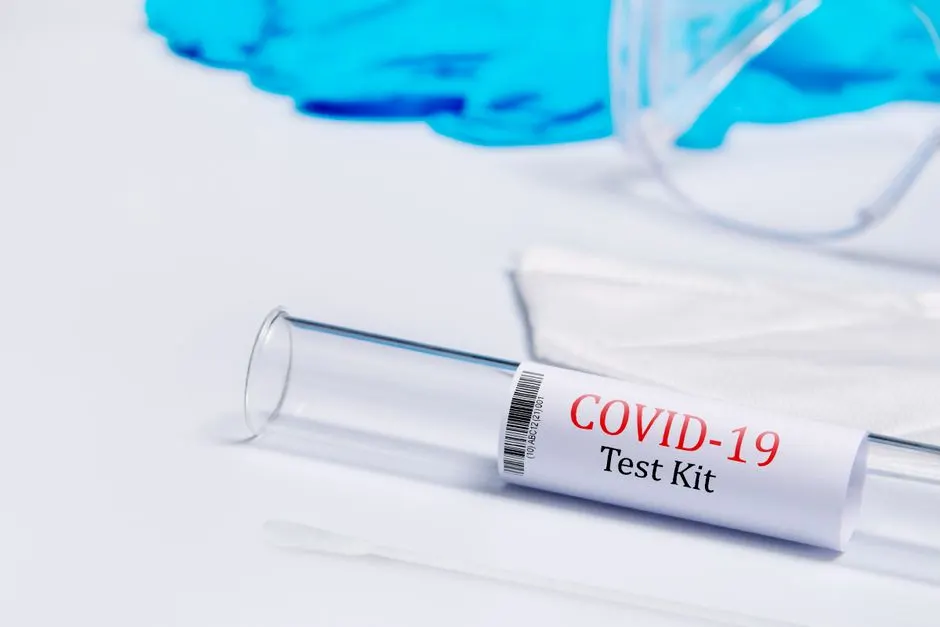
- pH: liquid test kits are cheap and accurate enough. Test at the same time each day, ideally once before lights on and once in the afternoon.
- Ammonia and nitrite: essential for new systems and after any crash. Use liquid kits rather than strips for better reliability.
- Nitrate and phosphate: show the nutrient load that feeds algae, and tell you whether water changes are keeping up.
- KH (carbonate hardness): tells you how well the water is buffered against pH swings. A KH of 3 to 6 degrees is a common comfortable range for freshwater tanks.
- Dissolved oxygen: needs a meter; in hobby settings, fish behaviour is the practical proxy.
When algae are the symptom, not the cure
A persistent green bloom often points to excess nutrients, not to a lack of filtration. Before relying on algae to remove nutrients, check the sources: overfeeding, an overstocked tank, an old filter, or tap water with high nitrate or phosphate. Fixing the source is more reliable than hoping algae will absorb the extra. See why aquarium water turns green.
Designing for stability
- Keep stocking moderate. A lightly stocked tank has room for error.
- Provide aeration that runs 24 hours.
- Buffer the water to a KH that suits the animals.
- Add algae gradually, as in safe ways to add algae to a tank.
- Keep a backup plan: a spare air pump, a battery airstone and a clean bucket of aged water for emergencies.
Common questions
Do algae clean aquarium water?
They take up some nutrients, but they are not a replacement for filtration and water changes.
Why do my fish gasp at dawn?
Oxygen is usually lowest just before the lights come on. Add aeration and reduce algae density.
What pH is best?
One that suits your animals and is stable. Stability matters more than the exact value.
How do I raise KH safely?
Small additions of sodium bicarbonate raise carbonate hardness, but do it slowly and test; adjust by no more than 1 degree a day.
What if the oxygen is low but I have no meter?
Watch fish at the surface in the early morning, and add aeration at once. A wide shallow surface and a good flow solve most cases.
Ready to grow your own?
Live starter cultures, grown with care and shipped ready to thrive.
Spirulina PlatensisChlorella VulgarisVisit the shopGet new guides by email, and 10% off
Subscribe for 10% off your first order, plus our latest articles by email. No spam, unsubscribe any time.
Keep reading
Live Feed vs Dry Feed for Fish Larvae
Daphnia and Algae: Raising Live Food at Home
Leave a Reply