
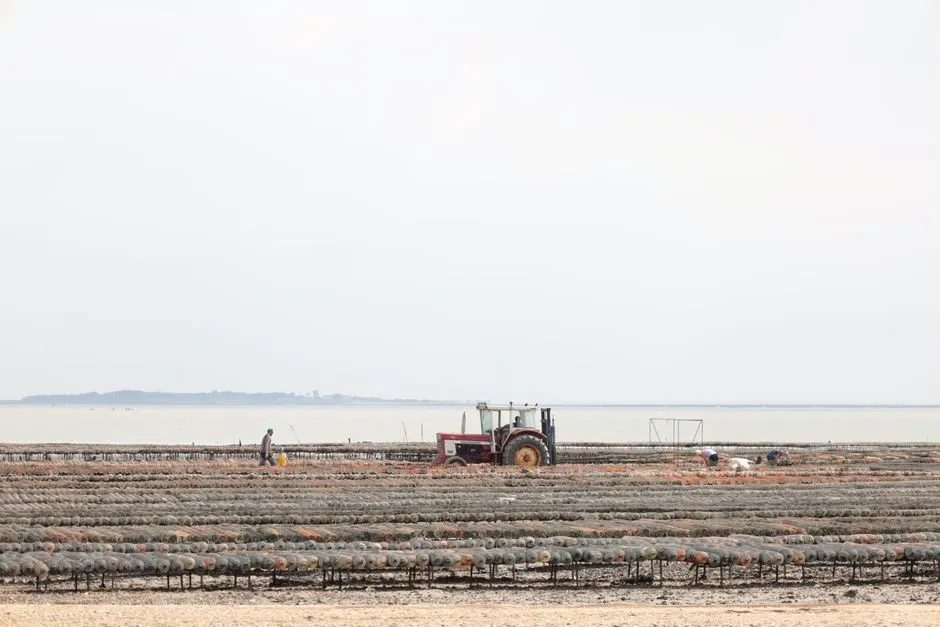
Shellfish hatcheries raise oysters, clams and scallops from eggs to seed, and for every stage of that process the food is live microalgae. Larvae filter cells from the water almost continuously, so a hatchery needs a dedicated algae production line that supplies several species every day. In many hatcheries, growing the algae takes as much space and labour as raising the shellfish themselves.
Why algae, and why live
Bivalve larvae are tiny, typically 70 to 300 micrometres, and they feed by sweeping particles into their mouths with beating cilia. They need food between about 2 and 20 micrometres, soft enough to digest and rich in the right fatty acids. Live microalgae fit this exactly. Dried and paste diets are used as supplements, but they rarely match the results of live cultures in the larval stage.
The species most commonly used
| Alga | Group | Cell size | Role |
|---|---|---|---|
| Isochrysis galbana (T-Iso) | Flagellate | 4 to 6 µm | Early larval feed, rich in fatty acids |
| Pavlova spp. | Flagellate | 4 to 7 µm | Larval feed, good fatty acid profile |
| Chaetoceros spp. | Diatom | 5 to 20 µm | Larvae and juveniles, widely used |
| Tetraselmis spp. | Green flagellate | 10 to 15 µm | Larger larvae and juveniles |
| Nannochloropsis | Small green alga | 2 to 4 µm | Often used for rotifers and as green water |
Hatcheries nearly always use a mixed diet, because no single alga covers all the nutritional needs. These are marine species grown in seawater-based media, which is why this article is not a recipe for a home jar.
How the feeding works
- Daily feeding. Algae are added to larval tanks once or more per day, measured in cells per microlitre. Rates rise as larvae grow.
- Water exchange. Tanks are drained and refilled frequently so waste does not build up, and new algae is added each time.
- Settling and conditioning. When larvae settle to become juveniles, diet and system change to suit.
The algae production line
To feed a hatchery, algae are produced in stages, starting with small sterile flasks and moving to carboys, bags or tanks. This is the same logic as in small-scale algae production for a hatchery, only on a larger scale and with stricter hygiene. Because crashes cost larvae, hatcheries often keep several parallel cultures so that one failure does not stop production.
What this means for hobbyists
The same principles apply at any size: use clean cultures, feed regularly, and watch quality. If you want to see how algae feed the next link in the chain on a small scale, read feeding rotifers with Chlorella or green water in larval rearing.
The life of a batch of oysters, from algae’s point of view
A typical bivalve hatchery batch runs for about two to three weeks in the larval phase, followed by a settlement and nursery period. The algae menu changes along the way.
| Stage | Size of animal | Typical algae and note |
|---|---|---|
| Fertilised eggs to D-larvae (day 1 to 2) | 50 to 80 µm | Unfed; larvae use egg reserves |
| Early veliger (day 2 to 7) | 80 to 150 µm | Small flagellates such as Isochrysis and Pavlova |
| Late veliger (day 7 to 14) | 150 to 250 µm | Add Chaetoceros and Tetraselmis; rations rise |
| Pediveliger and settlement (day 14 to 21) | 250 to 350 µm | Diatoms dominate the diet |
| Spat and juveniles | 1 mm and up | Bulk feeding with diatoms and flagellates, often in upwellers |
The numbers are indicative: timing varies by species (Pacific oysters, European flat oysters, Manila clams, scallops) and by temperature.
Why a mixed diet matters
Each alga has a different balance of protein, carbohydrate and fatty acids. Flagellates such as Isochrysis are rich in DHA, a long-chain fatty acid important for larval development. Diatoms such as Chaetoceros are rich in EPA and in silica, and they support fast growth. Green flagellates such as Tetraselmis are large and rich in protein. Fed together, they give larvae a profile that no single species can. Experience in hatcheries is that mixed diets generally outperform single-species diets by wide margins in growth and survival.
Common problems in the algae room
- Crashes of large cultures. A bag or tank of 100 litres or more can be lost to contamination or light failure, which is why hatcheries run parallel cultures.
- Contaminant ciliates. Protozoa that graze on algae are the most common cause of crash and need strict hygiene.
- Diatom silicate limits. Diatom media need silicate; without it growth stops.
- Light and temperature. Most species prefer 18 to 25 °C and steady light; overheating in summer is a frequent problem.
Lessons for small-scale growers
Even though the species differ, the habits carry over to a home or small hatchery: stage your cultures, keep a reserve, record everything, and never feed an animal from a culture that looks or smells wrong. See small-scale algae production and preventing contamination.
Common questions
Can freshwater Chlorella feed oysters?
Not well. Marine bivalves need marine species with the right fatty acids and a size and wall type they digest efficiently.
How much algae does a hatchery use?
Large hatcheries produce thousands of litres per day, which is why the algae section is often the largest part of the building.
Is algae feed all natural?
Yes. The algae are naturally occurring species, grown in nutrient-enriched seawater under light.
Are paste or frozen algae used instead?
Yes, as supplements and as emergency back-up, but live algae still give the best results for larvae.
Why not feed freshwater algae to oysters?
They lack the fatty acids marine larvae need and do not tolerate salt water, so they sink and decay in the tank.
Ready to grow your own?
Live starter cultures, grown with care and shipped ready to thrive.
Spirulina PlatensisChlorella VulgarisVisit the shopGet new guides by email, and 10% off
Subscribe for 10% off your first order, plus our latest articles by email. No spam, unsubscribe any time.
Keep reading
Live Feed vs Dry Feed for Fish Larvae
Daphnia and Algae: Raising Live Food at Home
Leave a Reply