
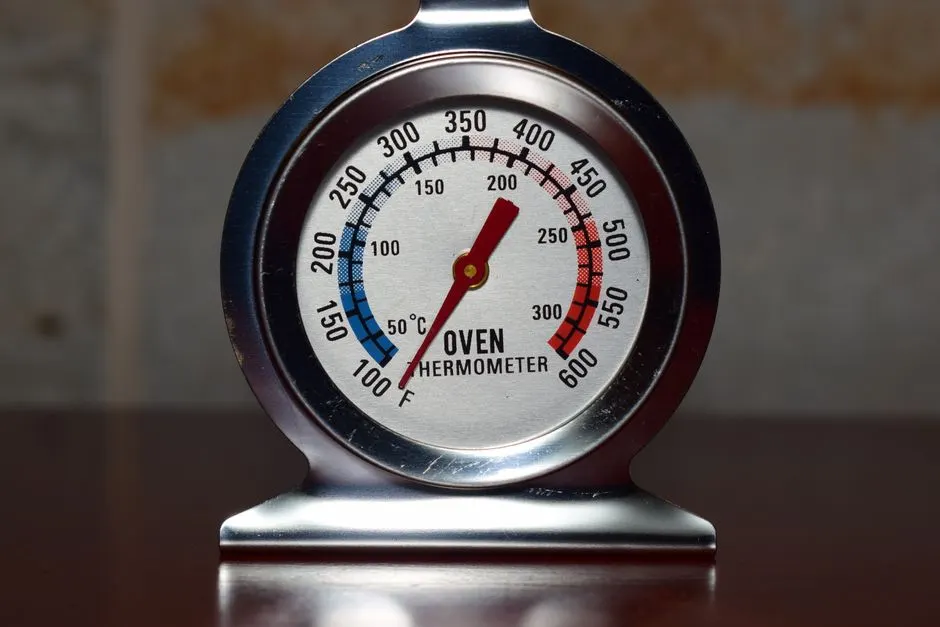
Temperature is the single most important setting in a home algae culture. Chlorella grows best at 25 to 30 °C and Spirulina at 30 to 35 °C. Both slow down in the cold and are damaged by heat: Chlorella above about 35 °C and Spirulina above about 38 °C. A simple thermometer and a way to add or remove a few degrees solve most problems.
Target ranges
| Species | Best growth | Slow growth | Risk of damage |
|---|---|---|---|
| Chlorella vulgaris | 25 to 30 °C | Below about 15 °C | Above about 35 °C |
| Spirulina platensis | 30 to 35 °C | Below about 20 °C | Above about 38 °C |
These are typical values. Individual strains vary a little, but the order of magnitude is reliable.
Measuring
Use a digital or aquarium stick-on thermometer inside the water, or a probe. Look at it at the warmest time of day, which is often the late afternoon near a window or lamp. Written readings in your log show how temperature relates to growth.
Warming a culture
- Aquarium heater. Put a small heater with a thermostat in a water bath (a larger container of water around the jar) or directly in the culture.
- Heat mat. A seedling mat under the jar works well, with a thermostat if possible.
- Warm room or cupboard. A shelf above a fridge or in an airing cupboard can hold 25 to 30 °C, but check light.
- Insulate. A foam sleeve cuts losses and the heater cycles less.
Cooling a culture
Overheating usually comes from the lamp or the sun. Fixes are simple:
- Move the jar out of direct sun or use a shade cloth.
- Replace hot bulbs with LEDs, which give off far less heat.
- Use a fan across the surface to cool by evaporation.
- Put the jar in a larger tub of cooler water; a frozen bottle can bring the temperature down in an emergency.
- Switch lights off during the hottest part of the day for a heat wave.
Avoiding sudden changes
Algae tolerate slow drifts better than quick jumps. A change of more than 5 °C in an hour shocks cells. When moving a culture between rooms or after a delivery, let the container sit at the new temperature for an hour before opening and mixing. Our shipments are packed to limit swings; open them and acclimatise gently.
Signs of temperature stress
- Too cold: little change in density, pale colour, long lag.
- Too hot: yellowing or browning, a rotten smell, a culture that clears from the top down.
The full diagnosis is in how to tell if your algae culture is healthy. For setup specifics, see Spirulina culture basics.
Seasonal playbook
| Season | Typical problem | What to do |
|---|---|---|
| Winter | Rooms drop to 16 to 18 °C; Spirulina stalls and Chlorella slows | Move to a warm shelf, add a heater and an insulated sleeve; shorten photoperiod only if lamp heat is not needed |
| Spring and autumn | Swings between day and night temperatures | Use a thermostat; keep jars away from windows and drafts |
| Summer | Midday heat above 32 °C | Shade, fan, move to a cooler room; use LED lamps; check water temperature at the hottest hour |
| Heat wave | Sustained 35 °C or more | Move jars to the floor level or a cellar; put in a larger water bath; reduce light hours; split into small reserves |
How the lamp changes temperature
A 10 watt LED sitting a few centimetres from a jar adds very little heat. A 60 watt incandescent bulb or an older halogen lamp can add 5 to 10 °C to a small volume in a closed space. If you are using non-LED lamps, measure the temperature with the lamp on for an hour, not only at the start. Keep a gap of at least 10 centimetres, and consider placing the lamp outside a water bath. Often it is easier to replace the lamp than to cool the jar.
Water bath method
A water bath is a large container of water that surrounds one or more jars. It stabilises temperature because water holds a lot of heat:
- Choose a tub that is at least three times the volume of the jars.
- Place an aquarium heater with a thermostat in the bath and set it to the target.
- Stand the jars in the bath so the water level is about half the height of the jars.
- Add a small pump or air stone to the bath to even out temperature.
- Check the temperature of both the bath and a jar with a thermometer for a day.
The bath also protects against cold nights and brief power cuts, since it takes hours to cool.
Temperature and contamination
Chlorella cultures held at the warm end of their range grow fast but also favour bacteria and protozoa, which prefer similar temperatures. Holding Chlorella at 24 to 26 °C rather than 30 °C often gives a slightly slower but cleaner culture. Spirulina at 30 to 33 °C, with high pH, stays clean because the medium excludes most competitors. For other defences, see preventing contamination.
Common questions
Can I use a window sill in summer?
Often yes, but check the water temperature at midday. Glass jars in direct sun can pass 40 °C quickly.
Can Spirulina survive a cold night?
Short dips into the teens are usually survivable; it recovers when warmed. Sustained cold slows it and invites contamination.
Does the temperature of the air matter or the water?
The water. The air only matters through its effect on the water, and a glass jar can be much hotter than the room.
What temperature is best for storing a reserve?
Around 15 to 20 °C in dim light. Growth slows and the culture lasts for weeks.
Can I use a fridge?
Not for Spirulina, which is damaged by cold. Chlorella can survive a short time at 5 to 10 °C but is not a good storage method.
Ready to grow your own?
Live starter cultures, grown with care and shipped ready to thrive.
Spirulina PlatensisChlorella VulgarisVisit the shopGet new guides by email, and 10% off
Subscribe for 10% off your first order, plus our latest articles by email. No spam, unsubscribe any time.
Keep reading
Choosing the Right Container for an Algae Culture
Water for Algae Cultures: Tap, Spring or Distilled?

Leave a Reply