
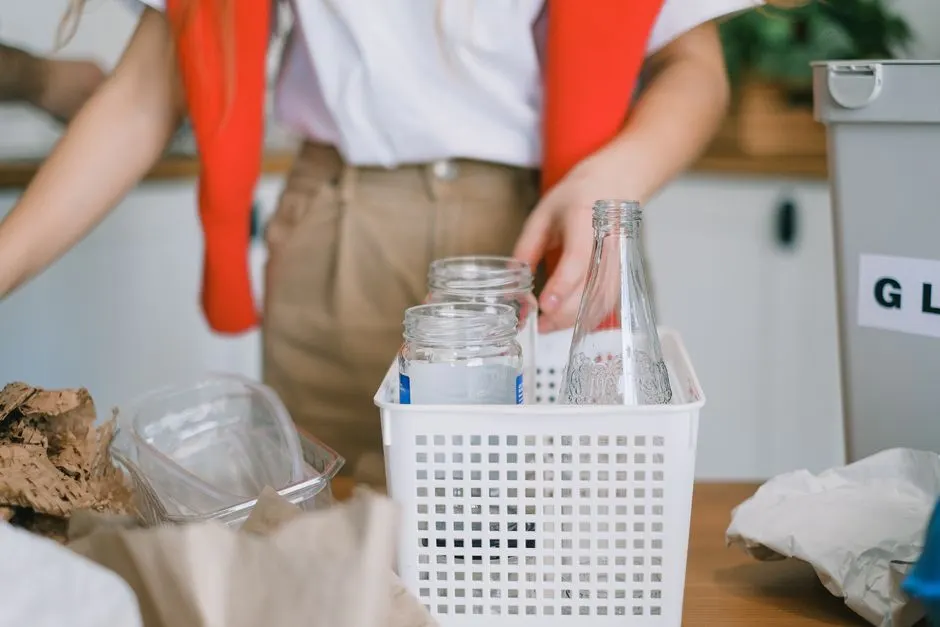
Algae culturing is already a low-impact hobby, but a few habits make it greener still: reuse the culture medium instead of throwing it away, cut energy use by timing light and heat, avoid single-use plastics, and put everything you harvest to use. None of these cost money, and most make the culture run more smoothly.
Reuse the medium
When you harvest Spirulina, the filtered liquid is still rich in bicarbonate and nutrients. Instead of discarding it, top it up with fresh nutrients and use it again. Many farms recycle their medium for months. Test the pH, correct any shortfall in nitrogen and phosphate, and restart. For Chlorella, pour the spent water on garden plants or houseplants, which can use the remaining nitrogen and phosphorus.
Use energy where it counts
- LED lamps use far less electricity than older tubes and give off less heat.
- Timers keep light on for 12 to 16 hours and off for the rest, rather than 24 hours a day, which also gives cells their natural dark period.
- Insulate. A foam or reflective sleeve around a jar keeps the heat in and the heater working less.
- Use waste heat from an aquarium, a router shelf or a warm window to give Spirulina warmth. See temperature control.
Cut single-use plastics
Use glass jars, reusable lids and washable cloth in place of disposable bottles and film. Clean containers with hot water and a dilute bleach solution, rinse well and let them dry, rather than replacing them. That also helps you in preventing contamination.
Use what you harvest
A culture you harvest should not be wasted. Feed it to Daphnia, rotifers, shrimp or fish, or use fresh biomass in a compost or as a plant fertiliser. Any excess can be diluted and used on houseplants as a mild liquid feed. For live feed use, see culturing live food for your aquarium fish.
Right-size the culture
A large culture that you do not use is a waste of light and nutrients. Keep only as much as you will use in a few weeks, and a small reserve. How to split and scale up explains how to grow and shrink on demand.
Keep a log
Logging what you add and how it responds prevents over-feeding and failed batches, both of which waste resources. A simple log pays for itself.
The bigger picture
These habits are small, but they sit within a larger question: how algae compare with other food and feed sources. For that, see land use and carbon dioxide uptake.
Counting the footprint of a jar
It helps to put numbers on it. A small LED lamp rated at 10 watts, running 14 hours a day, uses about 0.14 kWh daily, or roughly 4 kWh a month. An aquarium heater of 50 watts keeping a Spirulina jar warm, running a third of the time, adds another 12 kWh a month. At typical household electricity prices, both together cost a few złoty a month, and carry a footprint comparable to running a laptop for a few hours a day. A single jar is tiny, but those numbers scale if you run a shelf of them, which is where the habits above start to matter.
| Item | Rough use | Easiest saving |
|---|---|---|
| 10 W LED lamp, 14 h/day | About 4 kWh/month | Timer; lamp closer to the jar |
| 50 W heater, one third duty | About 12 kWh/month | Insulate; place in a warm room |
| Air pump, 3 W continuous | About 2 kWh/month | Run on a timer at night; stir by hand |
Water: reuse before you discard
In a typical hobby culture, most of the water leaves in three ways: evaporation, harvest and spent medium at restart. Evaporation is easy to top up with plain water. Harvest returns most of the medium to the jar if you strain Spirulina through cloth. At restart, instead of pouring the old medium away, filter it through a fine cloth and use it for plants if it is Chlorella medium, or reuse it for a new Spirulina batch with fresh nutrients added, provided the old culture was healthy.
Good materials, not more materials
- Glass over plastic where possible; it lasts decades and can be sterilised again and again.
- Reuse bottles from the kitchen for small cultures, after proper cleaning, instead of buying new vessels.
- Cloth instead of filters. A washable cotton or nylon cloth replaces disposable filters for harvest.
- Mineral nutrients instead of fancy products. A basic nutrient mix lasts for months and cuts packaging.
What not to do
- Do not release cultured algae into ponds, streams or drains in large quantities; keep it out of natural water bodies, particularly species that are not native to your area.
- Do not dispose of bleach solution into natural water; rinse containers in the sink and dilute.
- Do not buy equipment you will not use. A simple jar works.
The small stuff adds up
None of these steps is difficult, but together they cut the energy, water and plastic your culture uses, and they make it cheaper to run. If you want to compare algae as a whole against other sources, see land use and carbon dioxide uptake. For how to feed your tank without waste, read safe ways to add algae to a tank.
Common questions
Can I pour used algae water down the drain?
Small volumes are fine. Better to use them on plants, since they contain nutrients that plants take up.
Is it safe to reuse Spirulina medium?
Yes, if the culture was healthy. Filter it, check the pH and replenish nutrients. If the culture crashed or was contaminated, discard it.
What is the biggest energy cost at home?
Heating for Spirulina and lighting for both. Timers, insulation and LEDs reduce both.
Is it greener to buy a starter or to catch wild algae?
A starter, because wild collection brings unknown organisms and invites contamination and failures that waste resources.
How can I cut heating costs for Spirulina?
Insulate the jar, place it on a warm shelf, and keep the volume small. A foam sleeve reduces heater runtime a lot.
Ready to grow your own?
Live starter cultures, grown with care and shipped ready to thrive.
Spirulina PlatensisChlorella VulgarisVisit the shopGet new guides by email, and 10% off
Subscribe for 10% off your first order, plus our latest articles by email. No spam, unsubscribe any time.
Keep reading
Why Microalgae Can Use Less Land Than Many Crops
How Microalgae Take Up Carbon Dioxide

Leave a Reply