
Contamination is the most common reason an algae culture fails, and almost all of it is preventable. The invaders are everyday organisms: bacteria, fungi, protozoa, tiny grazers and wild algae. They arrive on hands, tools, dust and dirty containers. A handful of habits, clean containers, covered jars, separate tools and a reserve culture, keep them out.
What gets in, and what it does
| Contaminant | What it does | Typical sign |
|---|---|---|
| Bacteria | Feed on dead cells and nutrients, outcompete algae | Cloudy haze, sour smell |
| Fungi and moulds | Grow on surfaces and in dead matter | Fuzzy film, clumps |
| Protozoa (ciliates, amoebae) | Graze algae | Culture clears quickly; moving specks under a lens |
| Rotifers and small crustaceans | Graze algae | Visible swimming animals |
| Wild algae | Compete for light and nutrients | Colour shift, different cell shapes |
Where they come from
- Containers and tools that were washed but not disinfected.
- Tap water, which is not sterile and may carry chloramine that harms algae.
- Air and dust, especially with an open, uncovered jar.
- Your hands and shared pipettes or spoons.
- Other cultures or tanks, including live food cultures, on the same shelf.
A clean routine
- Disinfect containers. Soak in a dilute household bleach solution (about 1 tablespoon per litre) for 15 to 30 minutes, then rinse very well with clean water. Let them air dry. Avoid detergent residue.
- Use treated water. Dechlorinate tap water, or use filtered or boiled-and-cooled water for starters.
- Cover everything. Use a loose lid, foam stopper or cotton cloth that lets air in but keeps dust out.
- Use one tool per jar. A separate spoon, pipette or cup for each container prevents carrying contamination between them.
- Wash hands first. Do not dip fingers into the culture.
- Keep a reserve. A clean, small jar held apart from your working cultures is your insurance. See how to split and scale up.
Species differences
Spirulina is more forgiving because its high-pH medium excludes most bacteria and protozoa. Chlorella is more exposed, and benefits most from strict hygiene. In either case, a daily check catches problems early.
When contamination happens
- Do not try to rescue a heavily contaminated jar. Discard it and clean the container.
- Check your reserve under a microscope or by smell before using it. See seeing microalgae under a microscope.
- Look at the log for what changed; a simple log tells you whether it was a new batch, a dirty tool or a heat spike.
- Restart from the clean reserve.
Disinfecting step by step
A proper clean takes about half an hour of mostly waiting. For a glass jar or plastic bottle:
- Empty and rinse with hot tap water to remove visible residue.
- Scrub with a bottle brush and a little detergent, then rinse until no foam remains. Detergent residue harms algae.
- Disinfect by filling with a dilute household bleach solution, about 1 tablespoon (15 mL) of unscented bleach per litre of water, and leave for 15 to 30 minutes. Wipe the lid and any tubing too.
- Rinse thoroughly at least three times with clean water. Smell the container; any chlorine smell means keep rinsing.
- Neutralise if you wish: a pinch of sodium thiosulphate (sold as a dechlorinator for aquariums) removes remaining chlorine.
- Air dry upside down on a clean rack.
Hydrogen peroxide (3%) is an alternative disinfectant; rinse with clean water afterward. Do not mix bleach with other cleaners, as some combinations release toxic gases.
Water: what is really in it
| Water source | Pros | Cons |
|---|---|---|
| Tap water, aged or dechlorinated | Cheap, minerals included | Chloramine does not evaporate; bacteria and spores present |
| Boiled and cooled tap water | Kills most organisms | Loses oxygen; takes time; does not remove chloramine fully |
| Bottled spring water | Consistent, low chlorine | Cost; may be low in minerals |
| Distilled or RO water | Clean base | Needs a full medium; no minerals |
| Pond or rain water | Free | Unknown organisms and pollutants |
A hygiene checklist for harvest day
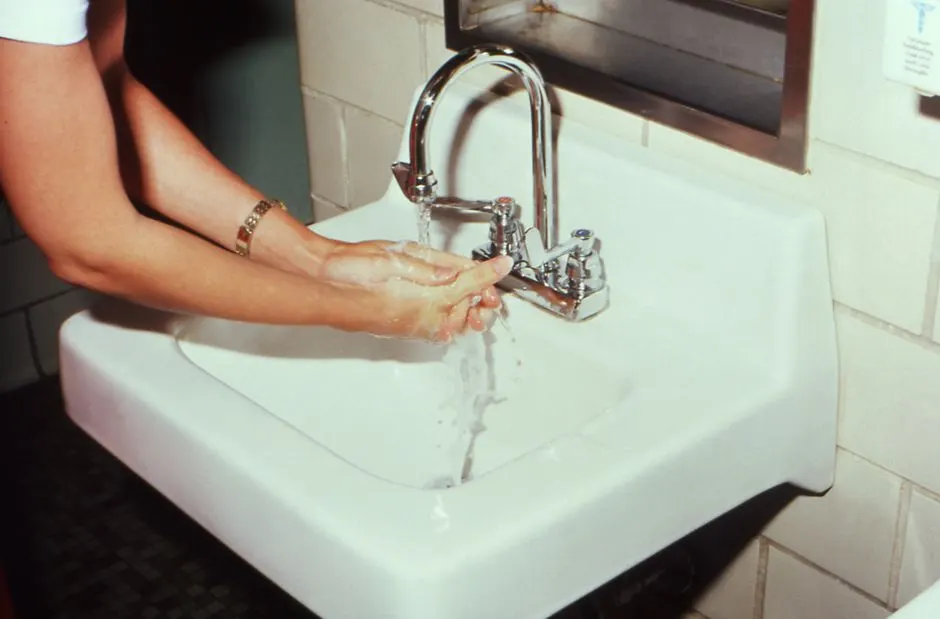
- Wash hands with soap before touching any jar.
- Lay out clean cloth, bowls and spoons beforehand.
- Handle the cleanest jar first (stock, then starters, then production).
- Do not touch the inside rim or the lid interior.
- Cover jars immediately after opening.
- Clean up spills; a splash of culture on a shelf becomes a breeding ground.
Warning signs that belong in your log
If you see any of these, note the date and the jar number: a change in smell, a film, new colours at the edge, a different clarity, or a small group of motile specks. Often you can match the change to an event, such as a new batch of water or a different tool. See the culture log guide and the daily check for a routine.
Common questions
Can I save a culture by adding antibiotics?
Not recommended. It is rarely necessary in a hobby setting and can harm the culture and the animals that eat it. Restart cleanly instead.
Is boiled water good enough?
For starting a small culture, yes, once cooled. It removes most organisms, though not all spores.
Why does my culture clear overnight?
Often because grazers or heat. Check temperature first, then a sample under a lens.
Is bleach safe for aquarium containers?
Yes, if you rinse thoroughly or neutralise it. Residual chlorine kills algae and animals, so rinse until there is no smell.
How often should I disinfect?
Every time you restart a culture, and at least monthly for long-running jars.
Ready to grow your own?
Live starter cultures, grown with care and shipped ready to thrive.
Spirulina PlatensisChlorella VulgarisVisit the shopGet new guides by email, and 10% off
Subscribe for 10% off your first order, plus our latest articles by email. No spam, unsubscribe any time.
Keep reading
Choosing the Right Container for an Algae Culture
Water for Algae Cultures: Tap, Spring or Distilled?
Leave a Reply