
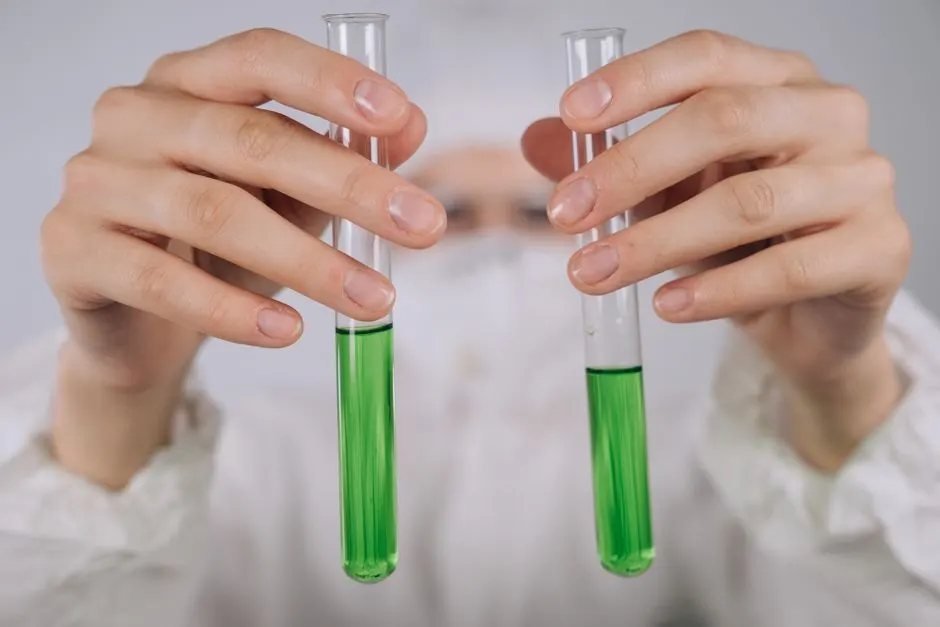
Microalgae can produce a lot of biomass on a small footprint because they grow in three dimensions in water, divide very quickly, and can be farmed on land that is not suitable for crops. Per hectare, well-run algae systems are often reported to out-produce conventional protein crops several times over. The advantage is real but it depends strongly on the system, the energy it uses and the product you compare it to.
Why the footprint can be small
A field crop needs soil, a long growing season, and then months of waiting before harvest. A microalgal culture needs water, light and nutrients, and it can double in a day or two. Because it is grown in liquid, it can also be stacked vertically in tubes, panels or tanks, getting more production from the same ground area.
- Non-arable land. Algae do not need fertile soil, so ponds and tanks can sit on poor land, rooftops or industrial sites.
- Fast cycles. A culture can be harvested continuously or every few days instead of once a season.
- High protein per unit of biomass. Spirulina can contain up to 60 to 70% protein by dry weight, far higher than most crop seeds.
The water story
Algae are grown in water, but the water can be recycled. In a well-managed system, most of the medium is reused after harvesting and only the evaporation losses and a small bleed are replaced. Compared with irrigated crops, which lose most of the water to the air and the soil, closed or semi-closed algae systems can use less water per kilogram of protein. Open ponds lose more to evaporation, so the picture varies with the climate.
Where the limits are
Land use is only one cost. Algae systems also need:
- Energy for mixing, pumping, lighting (if indoors) and drying.
- Nutrients such as nitrogen and phosphorus, which come from fertiliser or waste streams.
- Careful management to prevent contamination and crashes.
The numbers in headlines vary a lot because they come from optimistic laboratory estimates and from real farms with different conditions. A fair statement is that microalgae can need less land than many crops for the same amount of protein, but that cost, energy and scale remain the hard parts.
Where algae make the most sense
Microalgae are at their best as a targeted ingredient rather than a general replacement for crops. Hatchery feed, high-value pigments, and concentrated protein are well matched. Using waste nutrients, such as those from aquaculture water, can improve both the economics and the environmental balance. See recirculating aquaculture systems and algae for one example.
Related reading
For the carbon side of the same story, read how microalgae take up carbon dioxide. For ways to keep your own culture low-impact, see small habits that make algae culturing greener.
A back-of-envelope comparison
Numbers floating around about algae yield are often confusing, so it helps to define the comparison. Take protein as the product, because it is where algae are most often compared with crops.
| Source | Typical protein content (dry) | Typical dry yield per hectare per year | Protein per hectare (rough) |
|---|---|---|---|
| Soybean | 35 to 40% | 2 to 3.5 tonnes of seed | 0.8 to 1.3 tonnes |
| Wheat | 10 to 14% | 5 to 8 tonnes of grain | 0.6 to 1 tonne |
| Spirulina in open ponds | 55 to 70% | 10 to 30 tonnes of biomass | 5 to 20 tonnes |
The pond figures are the upper end of what well-run commercial farms report. They assume warm climates, a long season and constant management, so a farm in a cool region will produce less. Even with generous allowances, the protein output per hectare is several times that of the crops, which is the basis for the common claim.
What the footprint does not show
- Energy. Mixing paddles, pumps, harvesting and drying all use electricity. In closed photobioreactors, energy per kilogram can be high.
- Nutrient inputs. Nitrogen and phosphate must come from somewhere. If they come from synthetic fertiliser, the saving in land is partly offset.
- Product quality. Protein quality and digestibility matter, and food regulation limits how algae can be used.
- Scale. Today, algae production is tiny compared with soybean, so the figures are for specialised products.
Where it does clearly help
Three uses make particular sense:
- Aquaculture feed. Algae replace wild-caught fishmeal and oil for larvae and broodstock, reducing pressure on ocean fisheries. For one example, see microalgae in shellfish hatcheries.
- Nutrient recycling. Algae grown on fish farm effluent clean the water and produce biomass. See recirculating aquaculture systems and algae.
- High-value compounds. Pigments such as phycocyanin and astaxanthin from algae justify the cost of careful culture.
A fair summary
Microalgae are not a magic answer, and they will not replace farmland. They are a tool that can produce a lot of protein in a small area, with recyclable water, from land that crops cannot use. Their value is highest in niches where that matters, and where the economics support the added energy and care. Understanding that nuance is better than either hype or dismissal.
Common questions
Can algae replace farmland?
Not on a large scale in the near term. They can supply specific products on a small footprint, but they do not replace the full range of crops.
Is algae farming good for the environment?
It can be, especially when it reuses water and waste nutrients and runs on clean energy. The benefit depends on the design.
Is Spirulina higher in protein than soy?
By dry weight, yes: Spirulina is commonly 55 to 70% protein, while soybeans are around 35 to 40%. Yield per area depends on conditions.
Do algae need fertile land?
No. They need water, light, nutrients and a flat or gently sloped site. Poor soil, saline land and rooftops all work.
Can I do this at home?
You can keep a small culture at home as a hobby. It will not feed you, but it will show you how the process works.
Ready to grow your own?
Live starter cultures, grown with care and shipped ready to thrive.
Spirulina PlatensisChlorella VulgarisVisit the shopGet new guides by email, and 10% off
Subscribe for 10% off your first order, plus our latest articles by email. No spam, unsubscribe any time.
Keep reading
Small Habits That Make Algae Culturing Greener
How Microalgae Take Up Carbon Dioxide

Leave a Reply