
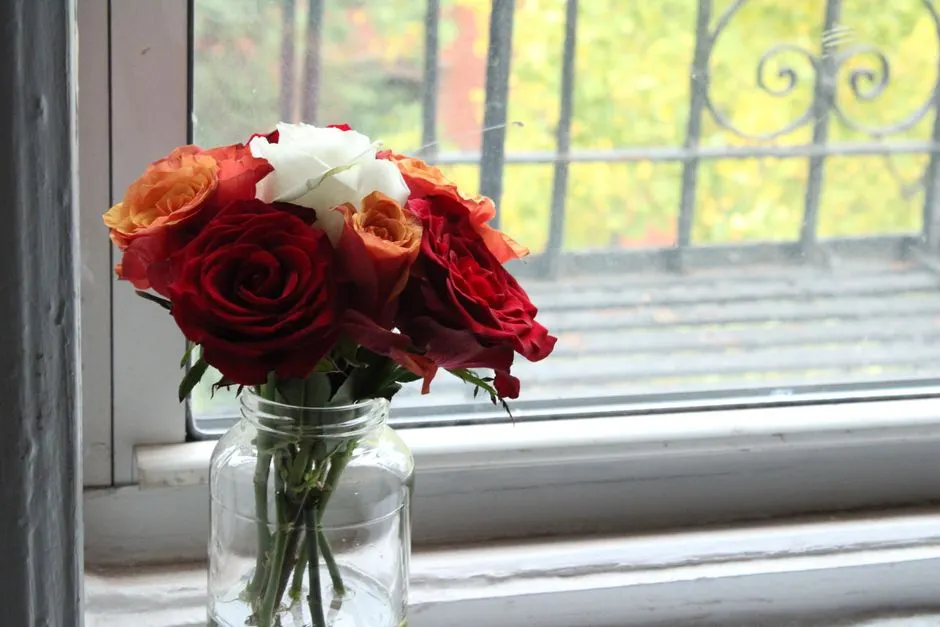
As you set up your culture, position the container near a lamp to provide sufficient illumination, taking care not to block the light with any obstacles. To promote healthy growth, gently place the culture in a container that is wide and shallow, allowing more of the algae to be exposed to light, and cover it with a breathable material to maintain air exchange.
What Makes a Good Container
A good container for an algae culture should be made from a material that allows light to reach the microorganisms, which is essential for their growth and survival. Transparency enables hobbyists to monitor the culture’s condition and color, making it easier to detect any potential issues, such as uneven growth or discoloration. When evaluating containers, consider the material’s non-toxicity and resistance to scratches, which can harbor bacteria and other contaminants. A smooth interior surface is also beneficial, as it prevents the accumulation of debris and makes cleaning more efficient. Regular inspection of the container’s condition is necessary to prevent contamination and ensure optimal growth.
Glass or Food-Safe Plastic
Glass and food-safe plastic are common choices for containers because they are non-toxic and can be easily sterilized, reducing the risk of contamination. Glass containers offer excellent transparency and durability, making them a popular option among hobbyists. However, their weight and potential breakage may be concerns for those with limited space or handling issues. Food-safe plastic containers are often lighter and more affordable, but may scratch over time, potentially harboring bacteria. When selecting between glass and food-safe plastic, consider factors such as durability, weight, and ease of cleaning to determine which material best suits your needs.
Shape, Depth and Light
The shape and depth of a container significantly impact the growth of an algae culture, as they influence the amount of light that reaches the microorganisms. Wide and shallow containers expose more of the culture to light, promoting healthy growth and development. In contrast, tall narrow containers may require additional aeration to prevent stagnation, which can lead to reduced growth rates or even contamination. Position the container near a suitable light source, taking care not to overexpose the culture, as this can cause stress and negatively impact its health. Monitor the culture’s response to different lighting conditions by observing changes in color, texture, or growth patterns.
Covering the Culture
To prevent dust and other particles from entering the container, cover it with a breathable material that allows for gas exchange. A mesh screen placed over the top of the container is a suitable option, as it keeps contaminants out while enabling observation of any changes in the culture’s color or texture. Ensure the mesh screen is not too tight, allowing for a small gap between the screen and the container’s rim to facilitate airflow. Alternatively, use a breathable cloth that filters the air entering the container, securing it with a rubber band if necessary. This setup enables you to maintain a clean environment while still allowing for gas exchange.
Cleaning and Labelling
Before introducing a new culture, thoroughly rinse the container with fresh water to remove any remaining soap residue. Hold the container up to a light source to check for any visible streaks or residue on the interior surface. When labelling each container, include the date it was set up and the specific type of algae culture it contains, such as Spirulina or Chlorella, using a permanent marker that will not fade over time. Double-check that the container is free from debris or dust that may have accumulated during cleaning. The transparent or translucent material of the container allows you to observe the culture’s color and texture, which can indicate its overall health.
Container Checklist
When selecting a container for your algae culture, consider the following essential factors: Ready to start? Our live Spirulina Platensis and Chlorella Vulgaris starter cultures ship across Poland.
- Choose a transparent or translucent material to allow light penetration
- Select a container made from non-toxic and durable materials, such as glass or food-safe plastic
- Opt for a wide and shallow shape to maximize exposure to light
- Cover the container with a loose-fitting lid or breathable material to prevent contamination while allowing gas exchange
- Regularly clean and label the container to maintain a healthy environment and track progress
Ready to grow your own?
Live starter cultures, grown with care and shipped ready to thrive.
Spirulina PlatensisChlorella VulgarisVisit the shopGet new guides by email, and 10% off
Subscribe for 10% off your first order, plus our latest articles by email. No spam, unsubscribe any time.
Keep reading
Water for Algae Cultures: Tap, Spring or Distilled?

How to Harvest Algae From a Healthy Culture
Leave a Reply