
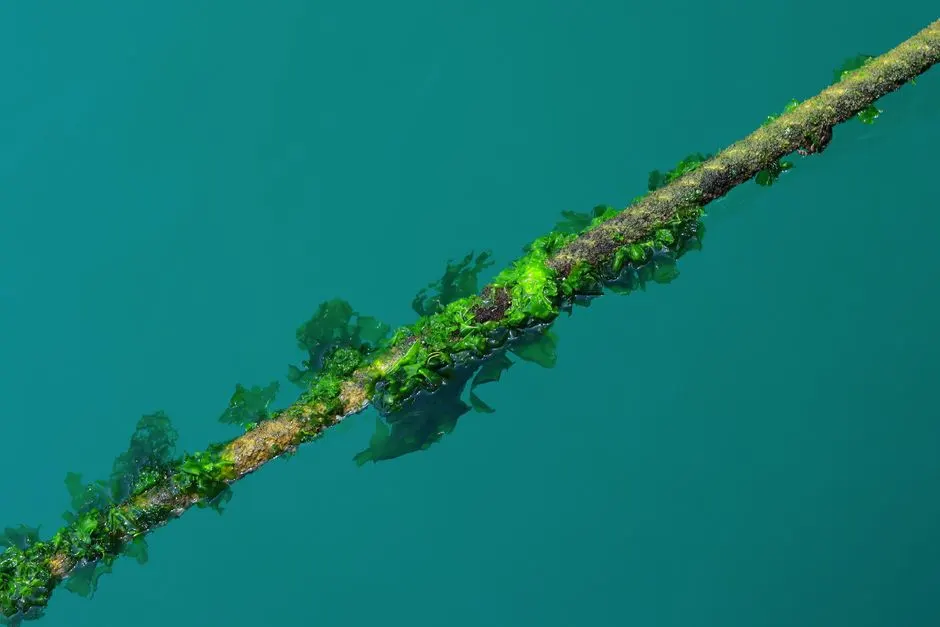
A healthy algae culture is evenly coloured, smells fresh and slightly earthy, and gets visibly darker over days. A struggling culture turns pale, brown or cloudy, smells sour or rotten, or stops thickening. You can judge all of this by eye and by nose, without equipment, in about thirty seconds a day.
The five-point daily check
1. Colour
Chlorella should be a clear, bright green and Spirulina a deep blue-green. Yellowing, browning or a white tint means the cells are stressed or dying. Pale green that does not darken over a week usually points to too little light or too few nutrients.
2. Smell
Healthy cultures smell like fresh water, grass or damp soil. A sour, sulphurous or rotten-egg smell means bacteria have taken over, usually because dead cells are decomposing.
3. Clarity and texture
The liquid should look like evenly mixed paint. Stringy slime, a skin on the surface, or clumps stuck to the glass suggest bacteria or another organism growing alongside your alga. A little settling at the bottom when you stop stirring is normal.
4. Movement and foam
Under a bright light, a clean culture looks still apart from the gentle swirl of your air or stirring. Tiny specks that dart around are protozoa or grazers feeding on the algae. A thick, persistent foam usually means a protein build-up from dead cells.
5. Growth rate
Healthy Chlorella can double its cell count in roughly 8 to 24 hours under good light and warmth. Spirulina grows more slowly, doubling in about one to three days. If a jar looks no denser after a week, something is limiting it. Check temperature, light and nutrients, in that order.
A quick scoring routine
Give each check a score of 0 (bad), 1 (so-so) or 2 (good) and note the total in your log. Eight or more means leave it alone. Five to seven means adjust one thing and look again tomorrow. Below five, start a fresh jar from your reserve while you work out what went wrong. Keeping the numbers makes trends obvious, which is the main argument for keeping a log.
Reading the warning signs
| What you see | Likely cause | What to do |
|---|---|---|
| Culture turns pale green or yellow | Too much light, too little nitrogen, or heat | Shade the jar, check temperature, add a small dose of nutrients |
| Brown or grey tint | Dying cells, often after overheating | Start a new jar from the reserve |
| Sour or rotten smell | Bacterial overgrowth | Discard; clean and sterilise the container |
| Cloudy white haze | Bacterial bloom, often from overfeeding | Stop adding nutrients; dilute or restart |
| Culture clears from the bottom up | Settling or a crash | Stir; if it does not recover in a day, restart |
| Moving specks under light | Protozoa or rotifers grazing | See preventing contamination |
When feeding live food
If the culture feeds Daphnia, rotifers or fish, check it before every feeding. A culture that is tinted brown or smells off should not be poured into a tank, because decomposing cells use up oxygen. A simple test: smell the jar, hold it up to a light, and if either looks wrong, skip that jar for the day and feed from your reserve.
A quick look under a microscope
A cheap microscope at 400x tells you more than the eye can. You can see whether the cells are round, green and intact, and whether anything else is swimming among them. Seeing microalgae under a microscope covers what to look for.
Worked example: a culture that stopped thickening
Imagine a Chlorella jar that was bright green on day four, then looked unchanged for a week. Here is how the five checks would narrow it down.
- Colour: a pale, yellowish green, lighter than on day four. Score 1.
- Smell: fresh. Score 2.
- Clarity: clean, no film. Score 2.
- Movement: none visible. Score 2.
- Growth: no change in a week. Score 0.
The total of 7 pointed to a limiting factor rather than an infection. The thermometer showed 19 °C because the jar had been moved to a cooler windowsill, and the lamp timer was set to only six hours. Moving the jar to a warmer shelf and extending the light to 14 hours would be the fix, with visible darkening within a few days. No extra nutrients would be needed at all.
Checking the culture when you are away
Cultures do not need daily attention for a short break, but they do need a plan:
- Up to 3 days: leave on a timer, cover loosely, keep temperature stable. Do not feed beforehand.
- Up to 2 weeks: split into two jars before leaving, so that if one fails the other survives. Ask someone to look at the jars every few days and to top up evaporated water.
- Longer: reduce to a small reserve in a cool, dim place; growth stops and most cultures survive weeks that way. Restart in fresh medium on your return.
Colour cards and simple density tests
Judging colour by eye is inconsistent, because the light in the room changes. Two simple tools remove the guesswork:
- A white card behind a clear jar. Photograph the jar against the card each day, in the same place and time. Lining up the photos shows the density rising or falling.
- A depth test. Lower a small dark object, such as a black-and-white disc on a string, into a tall container. Note the depth at which it disappears. A smaller number means a denser culture. In a Spirulina jar, a dense culture hides the disc within a few centimetres.
Neither is precise, but both are consistent, and consistency is what lets you notice change.
When a culture is not worth saving
Trying to rescue a heavily contaminated or foul-smelling culture usually wastes time and risks spreading the problem to your other jars. Discard it, wash and disinfect the container, and restart from your reserve. The cost of a restart is small, and the cost of an infected shelf is large. If you have no reserve, that is the lesson to take from it: always keep one.
Common questions
Why did my culture suddenly turn white?
A white or milky tint usually means the algae died and bacteria are now growing on the remains. This often follows a heat spike or too little light. Restart from a reserve.
Is a bit of sediment normal?
Yes. Cells settle when the culture is not stirred or aerated. Sediment that smells bad or looks slimy is not normal.
How often should I check?
Once a day is enough for most hobby cultures, preferably at the same time and under the same light.
How quickly can a culture crash?
Within a day or two in extreme heat or contamination. Most crashes are gradual, over three to five days, which is why daily checks catch them in time.
What does a healthy Spirulina culture smell like?
Faintly earthy and sweet, a little like damp grass or seaweed. A sharp sour or rotten smell means trouble.
Ready to grow your own?
Live starter cultures, grown with care and shipped ready to thrive.
Spirulina PlatensisChlorella VulgarisVisit the shopGet new guides by email, and 10% off
Subscribe for 10% off your first order, plus our latest articles by email. No spam, unsubscribe any time.
Keep reading
Choosing the Right Container for an Algae Culture
Water for Algae Cultures: Tap, Spring or Distilled?

Leave a Reply