
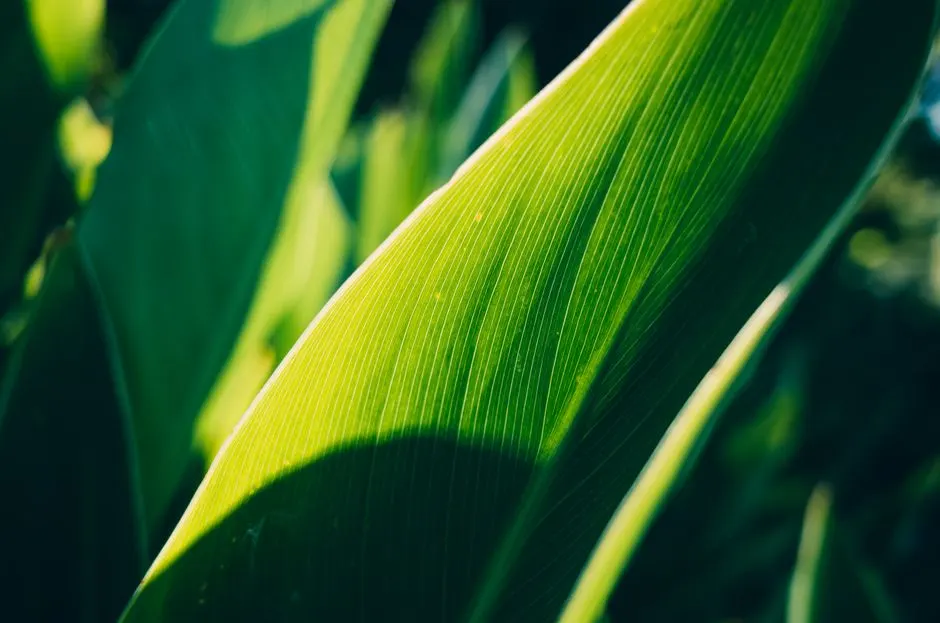
Chlorophyll in algae is what allows microalgae to capture light, which is essential for their growth and survival. This green pigment enables algae to produce their own food using light, water, and carbon dioxide. By grasping the basics of chlorophyll and its role in photosynthesis, you can optimize the growth of your microalgae and maintain a healthy culture. The unique properties of chlorophyll allow it to absorb light energy, which is then used to fuel photosynthesis. As you set up your grow space, consider the type of lighting you will use and its potential impact on the growth of your microalgae.
What Chlorophyll Is
Chlorophyll is embedded in the thylakoid membranes of the chloroplasts, where it absorbs light energy and initiates photosynthesis. To observe this process, hold a culture of microalgae up to a light source and notice how the cells absorb and reflect different wavelengths of light. The color temperature and intensity of the light will affect the growth of your microalgae, so take note of these factors when setting up your grow space. Ensure that your lighting system provides a spectrum that supports photosynthesis, as this will directly impact the health and productivity of your culture. When evaluating your lighting setup, consider the distance between the light source and the culture, as well as any potential obstacles that may block or filter the light.
Why Algae Look Green
The green color of algae is a result of chlorophyll absorbing mostly red and blue light and reflecting green light, which is then visible to our eyes. When observing your microalgae culture, look for a vibrant green color, which indicates healthy growth and adequate lighting. If the color appears dull or yellowish, it may be a sign that the culture is not receiving sufficient light or nutrients. Check the water level and nutrient supply in your culture medium, as these factors can also impact the color and appearance of your microalgae. Regularly monitoring the color and appearance of your microalgae can help you identify potential problems early on, allowing you to make adjustments before the issue becomes severe.
Photosynthesis in Simple Terms
Photosynthesis involves the conversion of water and carbon dioxide into sugars and oxygen using light energy. This process occurs in several stages, but essentially, it allows algae to produce their own food using readily available resources. To support photosynthesis in your microalgae culture, ensure that the growing medium is rich in nutrients and that the culture receives adequate light and air. Verify that your grow space provides sufficient aeration, as this will help maintain healthy oxygen levels and support photosynthesis. Consider making adjustments to the lighting, aeration, or nutrient supply to optimize conditions for photosynthesis, and be prepared to make changes as your culture grows and evolves.
Other Pigments Help Too
In addition to chlorophyll, algae contain other pigments, such as carotenoids, which help capture light energy and protect the cell from excessive radiation. These accessory pigments play a vital role in supporting photosynthesis and maintaining the overall health of the microalgae. When examining your culture, look for signs of stress or damage, such as discoloration or reduced growth rates, which can indicate an imbalance in pigment production. Be aware of the potential interactions between different pigments and how they may impact the overall health of your microalgae.
Why Light Quality and Quantity Matter
The quality and quantity of light available to your microalgae culture have a significant impact on its growth and productivity. Different types of lighting can affect the absorption of light energy by chlorophyll, influencing photosynthesis and overall health. When selecting a light source for your grow space, consider factors such as color temperature, intensity, and duration, taking care to provide a consistent and stable environment. Be mindful of how these parameters may vary depending on the specific needs of your microalgae species, and be prepared to adjust your lighting setup accordingly. Regularly review your lighting conditions to ensure they remain optimal for your culture.
Key Points to Remember
To cultivate thriving microalgae, observe how chlorophyll’s green hue changes in intensity when viewed near a lamp, indicating its light-capturing activity. Ready to start? Our live Chlorella Vulgaris starter culture ships across Poland.
- Check the culture daily for visible signs of contamination or nutrient deficiency by holding the jar up to natural light
- Adjust lighting conditions to optimize photosynthesis and promote healthy growth by measuring the distance between the light source and the culture
- Provide adequate nutrients and air to support the growth of your microalgae culture, taking care not to overfill the container with water
- Recognize the importance of accessory pigments, such as carotenoids, which contribute to the yellow or brown tones visible in a mature culture
- Regularly review and adjust your grow space to ensure it receives sufficient indirect sunlight and gentle air circulation, indicated by a slight ripple on the water’s surface
Ready to grow your own?
Live starter cultures, grown with care and shipped ready to thrive.
Spirulina PlatensisChlorella VulgarisVisit the shopGet new guides by email, and 10% off
Subscribe for 10% off your first order, plus our latest articles by email. No spam, unsubscribe any time.
Keep reading

What Is Phycocyanin? The Blue Pigment in Spirulina

Algae Cell Walls: Why Chlorella Is Tough to Break

Leave a Reply