
Science and Research
The biology behind microalgae: pigments, fatty acids, strains and what research says, explained plainly.
-
What Is Phycocyanin? The Blue Pigment in Spirulina
Phycocyanin is the blue pigment that gives Spirulina its colour. Learn what it does in the cell and why it fades.
-
Chlorophyll in Algae: How Microalgae Capture Light
How chlorophyll lets microalgae turn light, water and carbon dioxide into growth, and why algae look green.
-
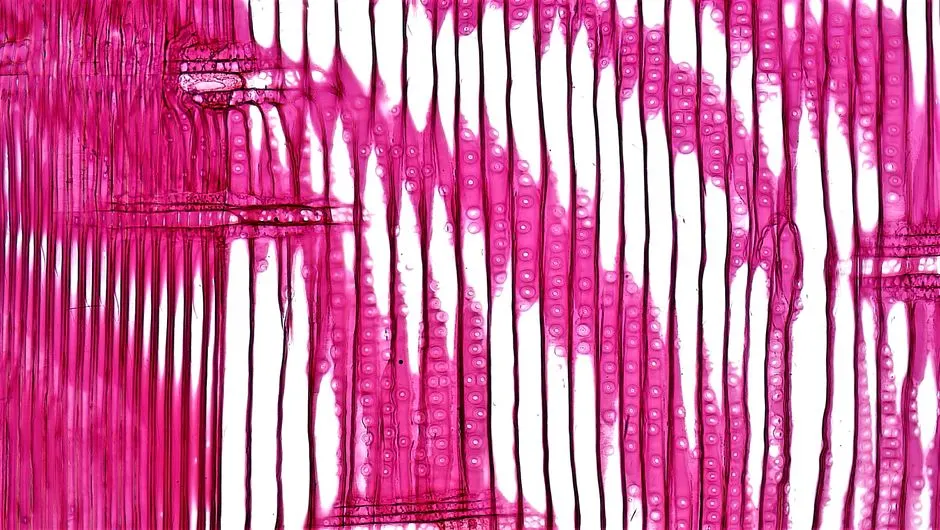
Algae Cell Walls: Why Chlorella Is Tough to Break
Chlorella has a rigid cell wall that resists digestion and grinding. What it is made of, why it matters for feeding and…
-

The Growth Phases of an Algae Culture
Every batch culture passes through lag, exponential, linear, stationary and decline phases. What each looks like and when to harvest or split.
-
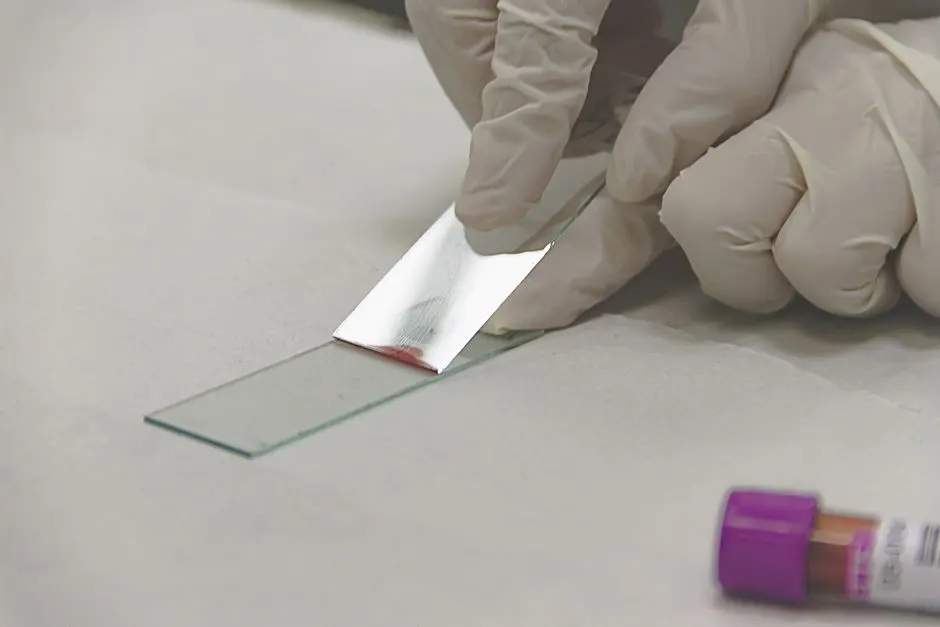
Seeing Microalgae Under a Microscope
What Chlorella and Spirulina look like at 100x to 400x, what you need to see them, and how to tell a healthy…
-
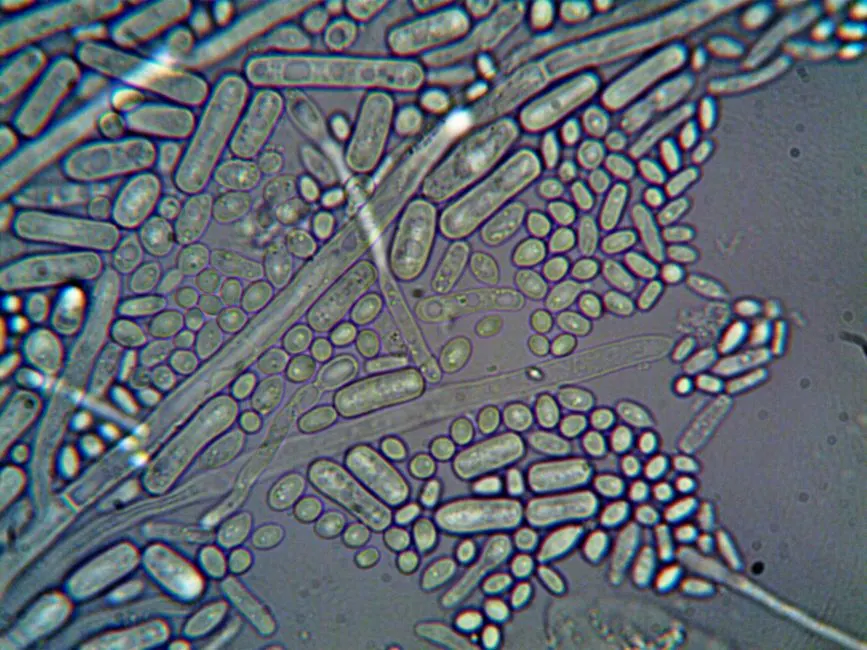
Spirulina vs Chlorella: Two Very Different Microalgae
Spirulina and Chlorella look similar in a jar but differ in biology, culture needs and uses. A direct comparison to help you…
-
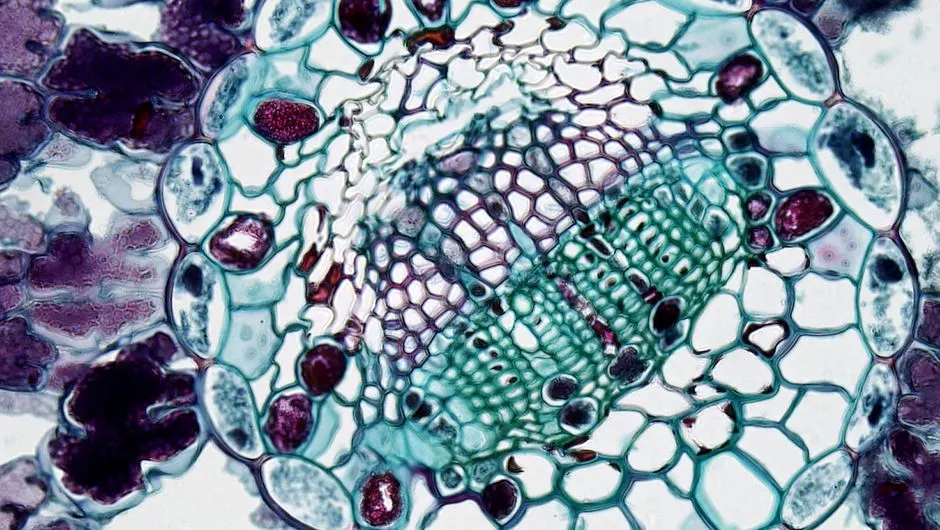
Cyanobacteria vs Algae: Why Spirulina Isn’t an Alga
Spirulina is a cyanobacterium, not an alga. What that means in biology, how the two groups differ and why the difference matters…
-
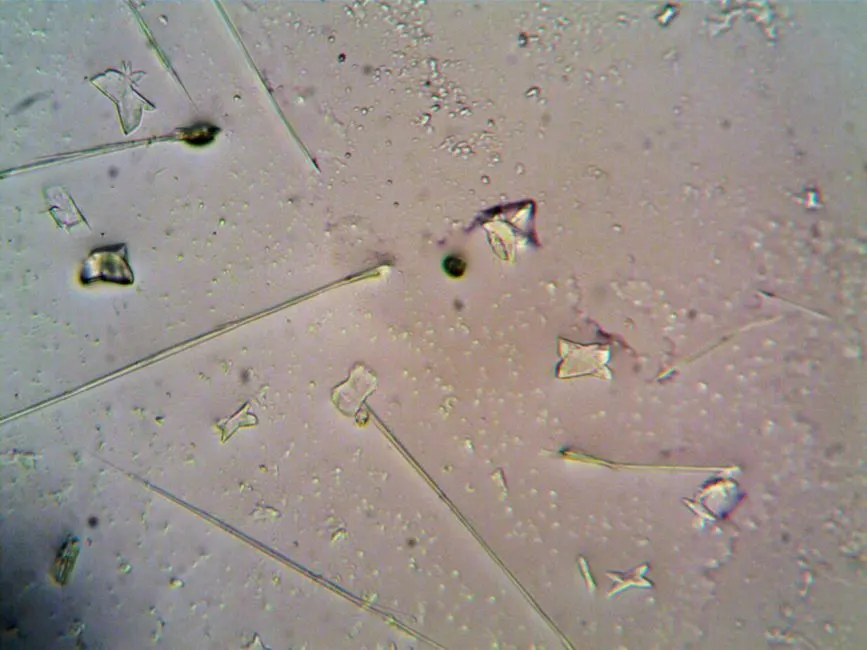
How Chlorella Reproduces
Chlorella reproduces by autospores, not by splitting in two. One mother cell makes 2, 4, 8 or 16 daughters, which is why…
-
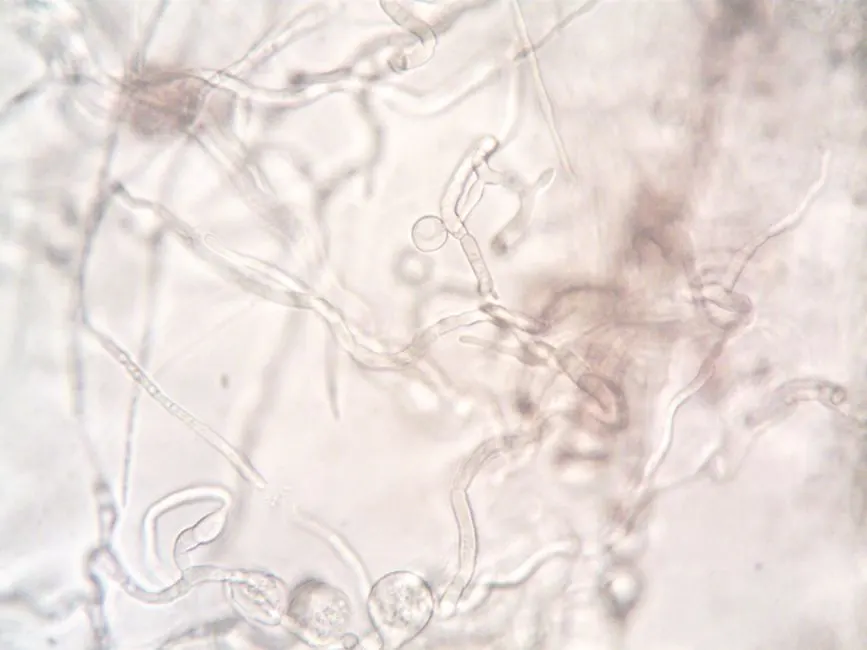
How Spirulina Grows: Filaments and Trichomes
Spirulina grows as coiled filaments that lengthen and break. Here is what happens inside a culture, from one cell to a dense…
-
Why Microalgae Are So Small and Why That Matters
Microalgae are thousands of times smaller than a grain of sand. Size controls how fast they grow, what eats them and how…