
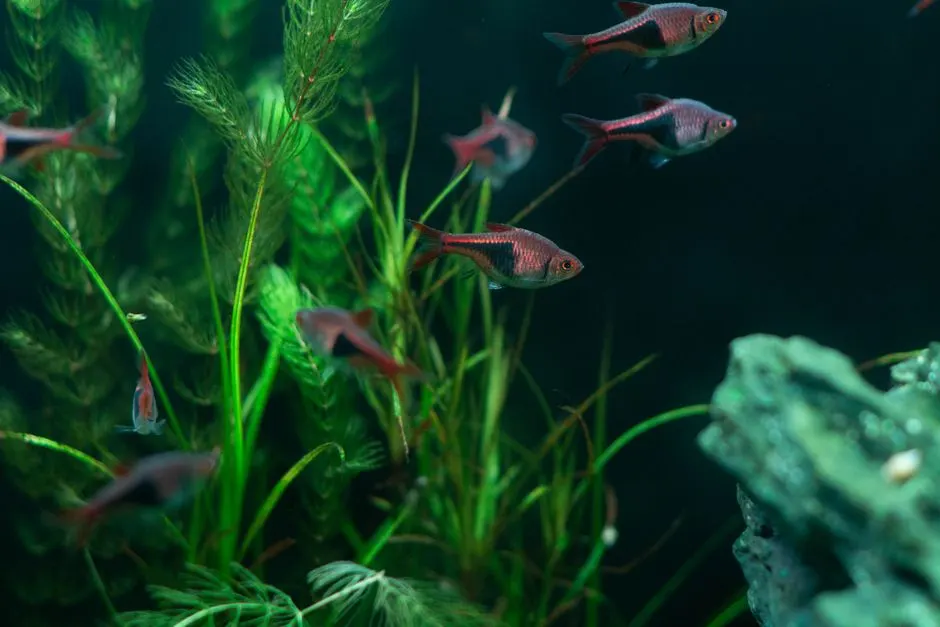
Filter feeders in a home aquarium, such as fan shrimp, freshwater clams and Daphnia, eat tiny particles suspended in the water. Live Chlorella is a good match, because its cells are the right size and stay in suspension. Feed small, regular amounts, keep the water moving, and let clarity guide you: if the water is clear again within a few hours, the animals are keeping up.
Which animals are filter feeders?
- Fan or bamboo shrimp (Atyopsis) hold out feathery fans to catch particles from the current.
- Vampire shrimp (Atya) do the same, in strong flow.
- Some small shrimp such as Caridina species also graze suspended algae and biofilm.
- Daphnia and other zooplankton filter suspended algae.
- Freshwater clams and mussels filter, but starve easily in clean tanks and are difficult to keep.
- Marine filter feeders such as fan worms, clams and sponges need marine-appropriate foods, not freshwater Chlorella.
Check each species’ needs before buying; some filter feeders do not survive in typical tanks because the water is too clean to supply food.
Why live Chlorella suits them
Chlorella cells are 2 to 10 micrometres, within the range that most freshwater filter feeders can capture. Because the cells are alive, they stay suspended and do not rot on the bottom as fast as dried flakes. A culture is also free from the binders and preservatives found in some commercial foods.
How to feed
- Prepare. Use a bright, fresh culture. See how to tell if your algae culture is healthy.
- Start small. About 1 mL of dense culture per 10 litres of tank water once a day.
- Place it in the flow. Drip it near the filter output so the particles pass the feeders.
- Observe. Check the tank in an hour or two. The fans should be open, and the water should clear by evening.
- Adjust. Raise the dose slowly if the water clears quickly; reduce it if it stays green.
Turning the filter off for a short time can help animals catch food, but keep aeration on. The detailed dosing and safety checks are in safe ways to add algae to a tank.
A feeding schedule that works
| Setup | Dose per 10 L | Frequency |
|---|---|---|
| Established tank, a few fan shrimp | 1 to 2 mL | Once daily |
| Dense planted tank with Daphnia | 2 to 3 mL | Once daily |
| New tank, first weeks | 0.5 mL | Every other day |
These are starting points; your tank’s clarity matters more than the number.
Signs you are getting it right
- Fans or feeding appendages are open and active during feeding.
- Water clears within a few hours.
- No smell, film or white haze after a day.
If the tank turns persistently green, you are overfeeding or have a bloom; read why aquarium water turns green. You can also keep a Chlorella supply going with a live Chlorella starter.
Example scenario: a 60 litre planted tank with fan shrimp
Picture a mature 60 litre planted tank with two bamboo shrimp. The shrimp spend most of the day clinging to rocks with their fans closed, and the keeper worries they are starving. The tank is spotless, with a fine filter and weekly water changes, so there is almost nothing suspended in the water.
The fix is in three steps. First, turn the filter outlet to create a gentle current across the rock where the shrimp perched. Second, add 5 mL of a thin Chlorella suspension every evening, dripped in near the outlet with a syringe. Third, reduce the filter’s mechanical media cleaning to once a month, so the filter does not strip the tank of particles. Within a week the shrimp should be opening their fans and holding them into the flow for hours at a time. If the water is clearer by the next morning after each dose, that shows the food is being eaten, not just filtered out.
Reading the animals
| Behaviour | What it usually means |
|---|---|
| Fans wide open, held steadily into the current | Feeding well |
| Fans closed, animal hiding | Too little food, stress, or bright light |
| Fans moving but animal wandering | Searching for a better spot; adjust flow |
| Animal very pale or thin | Long-term underfeeding |
| Frequent moulting, healthy colour | Good conditions and growth |
Keeping the filter from eating the food
A tank’s filter works against filter feeders because it removes suspended particles. Three adjustments help without hurting water quality:
- Feed in the evening after the filter media has been cleaned, and let a dose circulate for a few hours.
- Use coarse sponge or ceramic media, which keeps cells moving, rather than fine floss that catches them.
- If you must switch off the filter during feeding, keep an air stone running and restore flow within an hour or two.
Supplementing with a second food
Algae are not the only suspended food. Filter feeders also take powdered foods made for filter feeders, fine crushed flake and small zooplankton such as rotifers and baby Daphnia. A varied diet is more robust than one food, so keep Chlorella as the base and add a small amount of other food a few times a week. See culturing live food for a ladder of options, and keep an eye on water quality as described in water quality basics.
Common questions
Can fish eat the Chlorella directly?
Most do not. They may swallow some incidentally, but the main benefit goes to filter feeders and zooplankton.
Can I use powdered Chlorella?
Yes, in tiny amounts, but it settles quickly and fouls the tank if overdosed. Live culture is gentler.
Why are my fan shrimp not eating?
Often because the current is wrong, the tank is too clean, or the shrimp are stressed after transport. Add food in the flow and give them time.
How long can a filter feeder go without food?
Healthy adults often manage a couple of weeks, but they decline slowly in sterile tanks. Regular small feedings are better than rare large ones.
Should I worry about oxygen when adding algae?
Not with small daily doses and normal aeration. Dense blooms are the risk, not the modest dose in this article.
Ready to grow your own?
Live starter cultures, grown with care and shipped ready to thrive.
Spirulina PlatensisChlorella VulgarisVisit the shopGet new guides by email, and 10% off
Subscribe for 10% off your first order, plus our latest articles by email. No spam, unsubscribe any time.
Keep reading
Harvesting Chlorella When Feeding Live Food
Nutrients for Algae When Feeding Live Food
Leave a Reply