
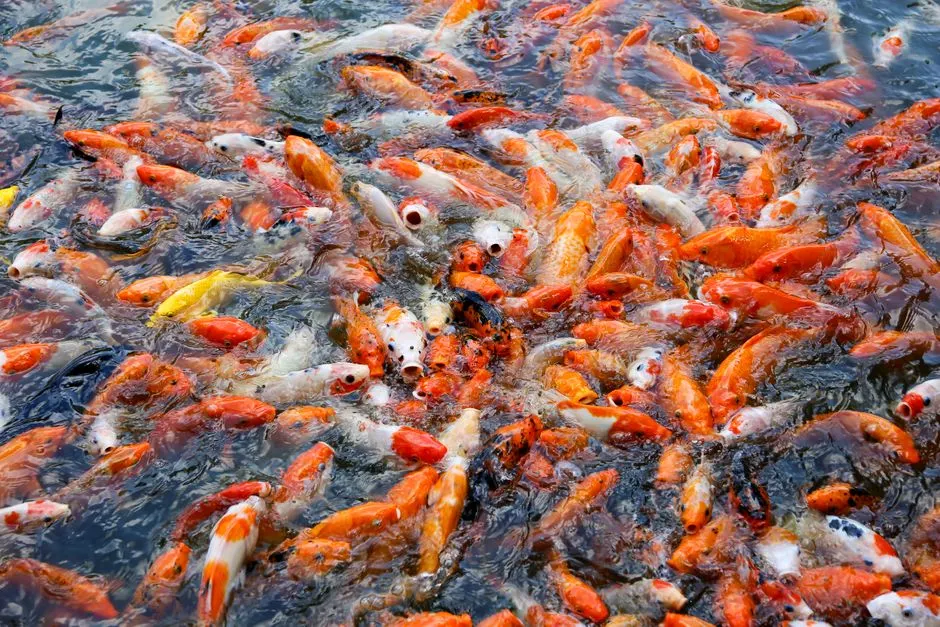
Algae need specific nutrients to thrive, which in turn support the health of the live food cultures. A well-nourished algae culture will provide a stable and abundant food supply for daphnia and other small aquatic animals.
Why Nutrients Matters When Feeding Live Food
Nutrient availability directly affects the density and health of an algae culture, which can impact the overall well-being of the live food being cultivated. For instance, a culture with inadequate nutrients may not support sufficient algae growth, leading to insufficient food for daphnia or rotifers. On the other hand, too many nutrients can lead to issues such as excessive bacterial growth or unwanted algae species blooming. Balancing nutrient levels is key to maintaining healthy live food cultures. Regular observation of the culture’s color and clarity can help in adjusting nutrient levels accordingly.
What Algae Cultures Need From Nutrients
Algae require a mix of nitrogen, phosphorus, potassium, carbon, and trace elements to grow well. These nutrients are essential for photosynthesis and overall metabolic processes within the algae cells. For Spirulina, which is typically grown in an alkaline environment, using a bicarbonate-rich medium like Zarrouk medium can provide the necessary conditions. In contrast, Chlorella, being a green alga, thrives in freshwater environments and can be supported with media such as Bold’s Basal Medium. A ready-made algae medium or a fertiliser specifically designed for algae or aquatic plants is often the simplest option for hobbyists to ensure they are providing all necessary nutrients without overloading the culture.
Special Considerations When Feeding Live Food
For example, daphnia, a popular live food for aquarium fish, require lightly green cultures that are not too dense, as very dense algae can foul the water and harm the daphnia. Overfeeding these live-food cultures with excessive nutrients can lead to cloudy, smelly water, which is detrimental to both the algae and the animals. Harvesting only part of a live-food culture and leaving the rest to continue breeding helps maintain a healthy balance.
Common Problems and How to Spot Them
Common issues in algae cultures include cloudy water due to bacterial overgrowth or an imbalance in nutrient levels, which can be identified by changes in color, clarity, or odor. Too many nutrients can encourage unwanted growth, such as bacteria or other types of algae that might outcompete the desired species for resources. Foul odors or a sudden change in culture appearance are signs that something is amiss and require immediate attention to prevent the loss of the entire culture. Regularly checking the physical condition of the culture, including its smell and color, can help hobbyists identify problems early on.
Simple Habits That Help
Establishing simple habits such as regular monitoring of algae cultures for signs of nutrient deficiency or excess can significantly improve their health and productivity. Keeping a notebook to track observations over time can provide valuable insights into how different nutrient levels affect the culture.
Nutrients Checklist
To maintain a healthy algae culture for feeding live food, consider the following essential nutrients and practices: Ready to start? Our live Spirulina Platensis and Chlorella Vulgaris starter cultures ship across Poland.
- Use a ready-made algae medium or fertiliser made specifically for algae or aquatic plants to simplify nutrient management.
- Monitor the culture regularly for signs of imbalance, such as changes in color, clarity, or odor.
- Avoid overfeeding with excessive nutrients to prevent bacterial growth and unwanted algae blooms.
- Choose media appropriate for the type of algae being cultivated, considering factors like pH and trace element requirements.
- Harvest only part of a live-food culture at a time to allow it to continue breeding and maintain a stable food supply.
Ready to grow your own?
Live starter cultures, grown with care and shipped ready to thrive.
Spirulina PlatensisChlorella VulgarisVisit the shopGet new guides by email, and 10% off
Subscribe for 10% off your first order, plus our latest articles by email. No spam, unsubscribe any time.
Keep reading
Harvesting Chlorella When Feeding Live Food
Scaling Up Algae Cultures When Feeding Live Food
Leave a Reply